HOW TO CHOOSE A HEAVY DUTY
ROLLING GEAR BAGFeatures to look out for on your next gear bag.
When you’re transporting tools, camera equipment, outdoor gear, or field essentials, not all bags are built to handle the job.
A heavy duty rolling gear bag is designed for durability, mobility, and real-world use. Choosing the right one depends on how and where you plan to use it.
Whether you’re a contractor, outdoor enthusiast, photographer, or traveler, this guide will walk you through exactly what to look for in a rugged rolling gear bag.
A Heavy Duty Rolling Gear Bag: The Key Features to Look For
Durable Construction Materials
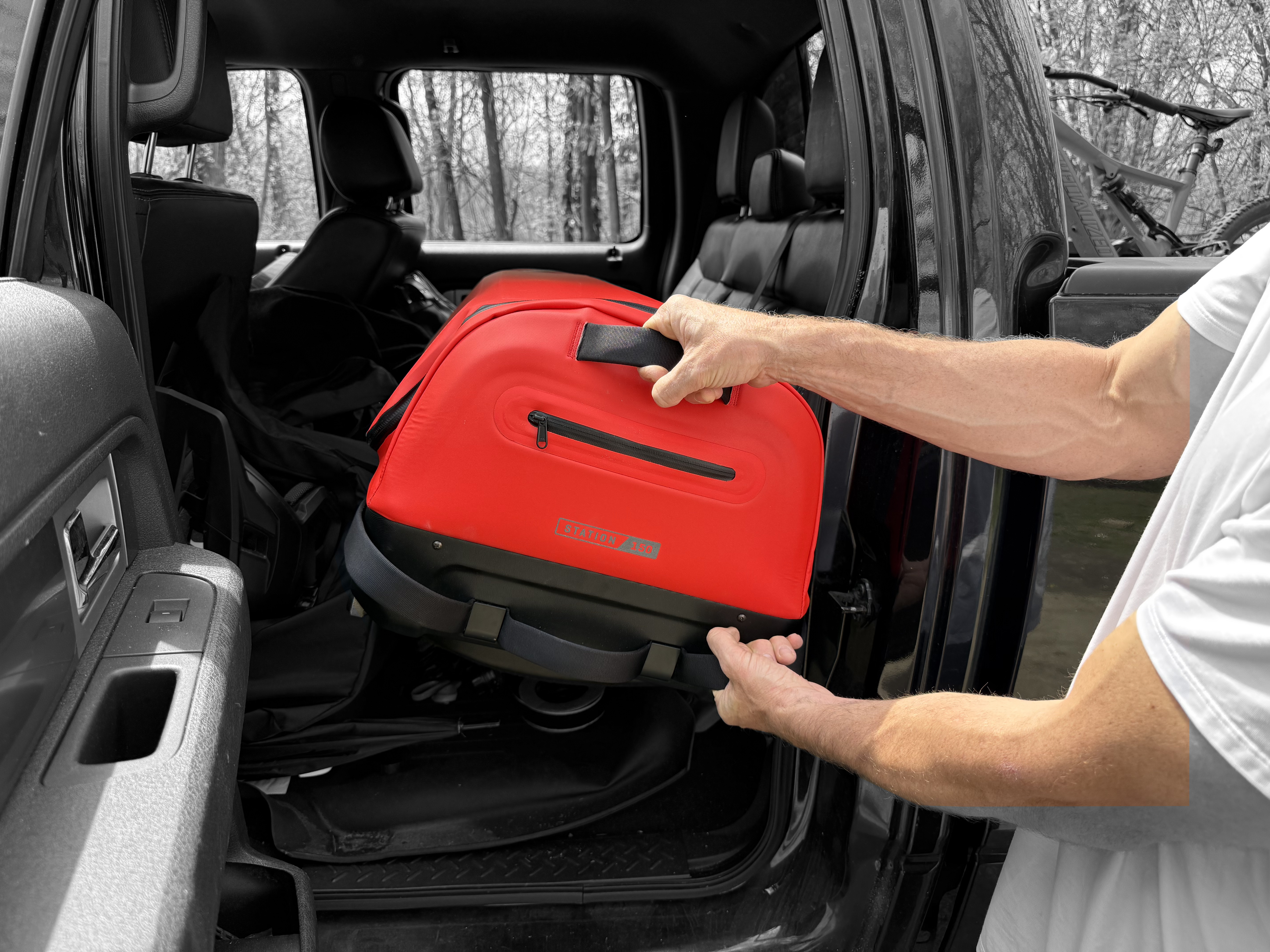
The foundation of any heavy duty rolling gear bag is its build quality.
Look for:
- Reinforced fabrics (like TPU-coated or ballistic nylon)
- Weather-resistant or waterproof construction
- Strong zippers and welded seams
- Structural support that prevents collapse under weight
A bag that collapses or sags under load won’t hold up in demanding environments.
Wheel Size and Mobility
Wheels are one of the most overlooked, and most important, features. For real-world use, prioritize:
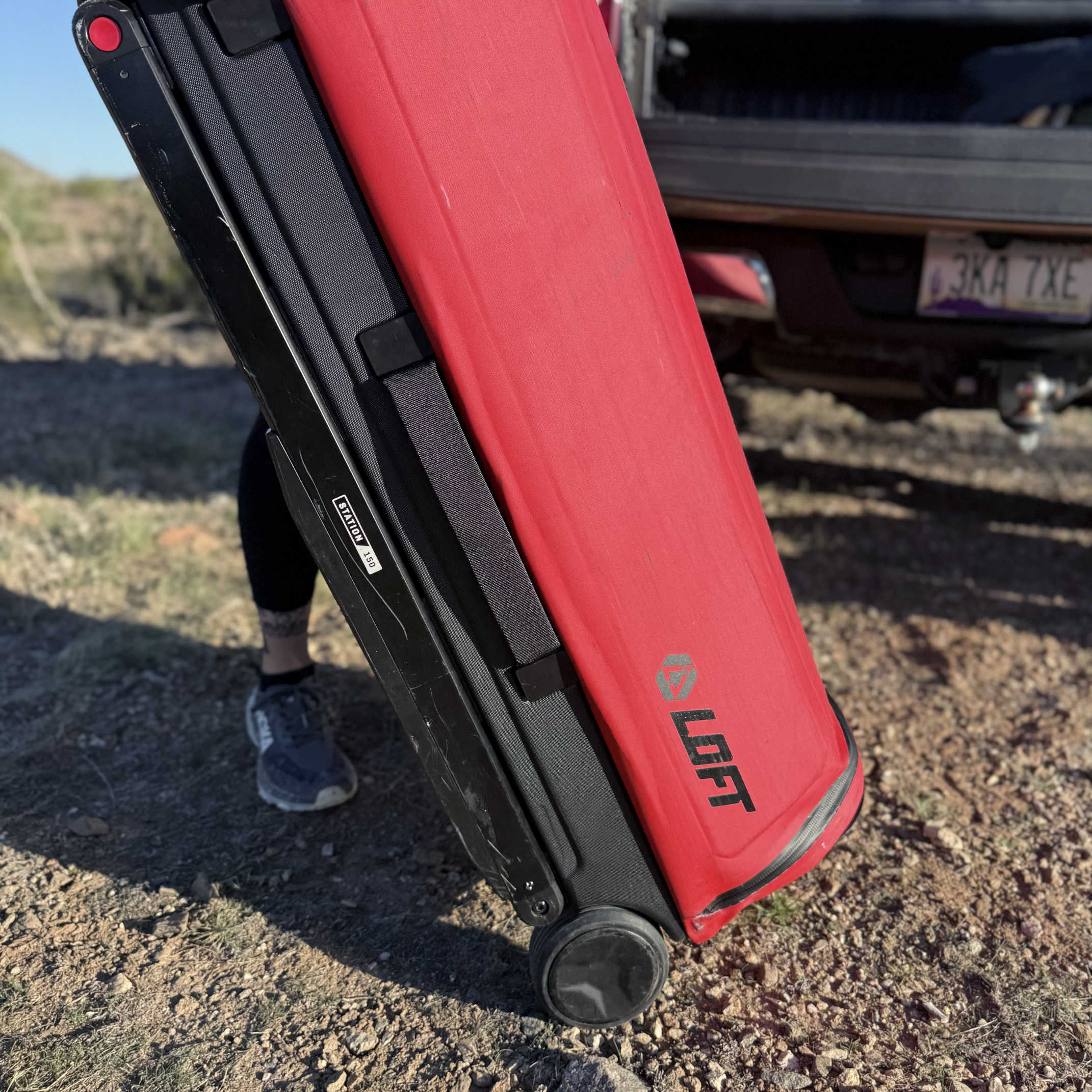
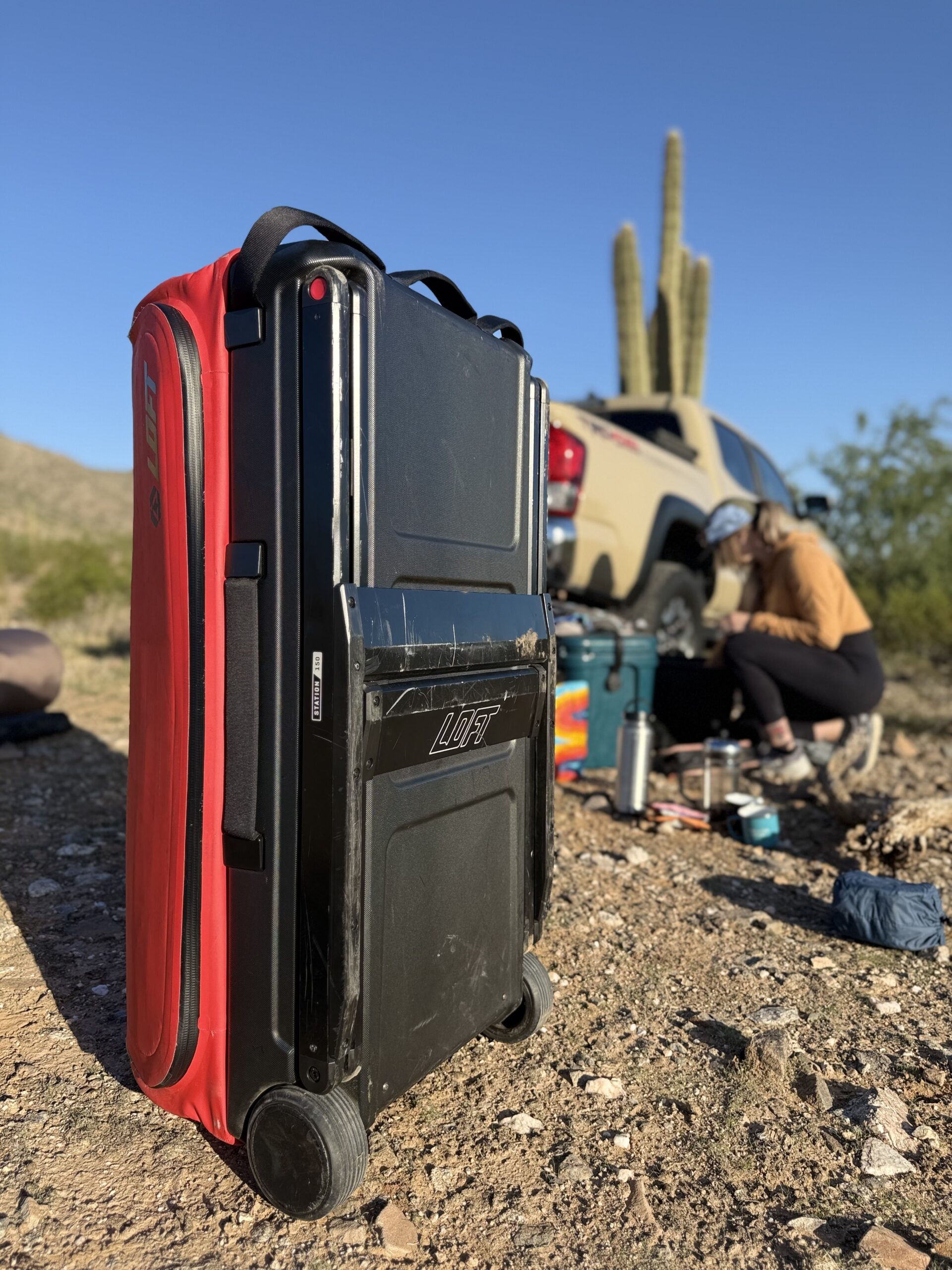
- Large diameter wheels (4–5 inches or more)
- Wide, stable wheelbase
- All-terrain capability
Smaller wheels may work in airports, but they struggle on gravel, dirt, grass, and uneven job sites.
Capacity and Organization
Heavy duty gear bags should do more than just hold equipment — they should keep it organized and accessible. Consider:
- Total volume (measured in liters)
- Internal compartments or modular storage
- Separation for tools, clothing, or delicate gear
- Easy-access pockets
If you’re constantly digging through your bag to find items, it’s not doing its job.
Structural Support and Load Handling
A true heavy duty rolling gear bag maintains its shape under pressure. Look for:
- Rigid or semi-rigid frame elements
- Reinforced base panels
- Load-bearing structure that distributes weight evenly
This not only improves durability but also protects your equipment during transport.
Field Usability (Beyond Transport)
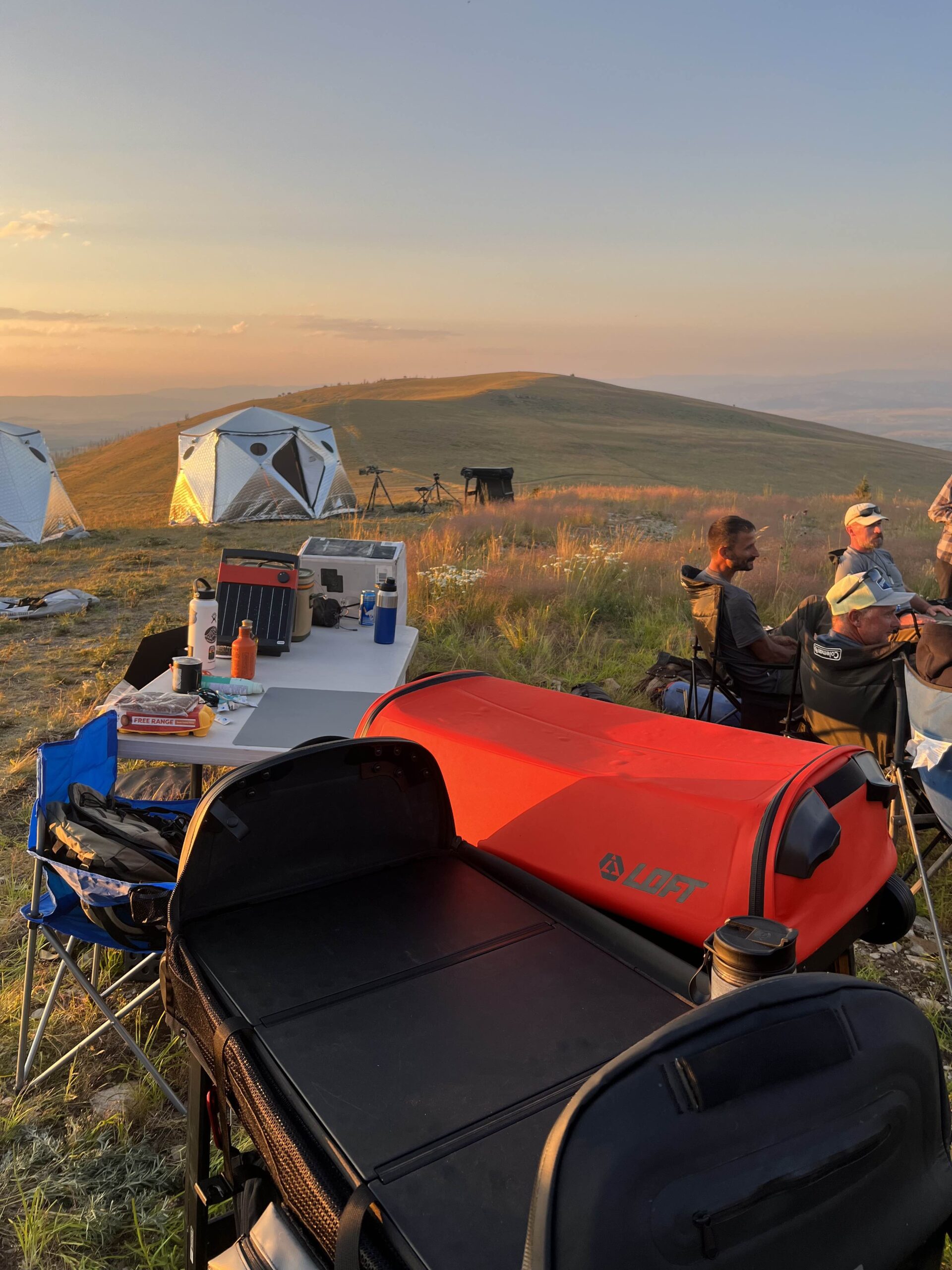
Most rolling duffle bags are designed only to move gear, but they’re not very good at helping you use it once you’re at your destination. Usability matters, so ask:
- Can you easily access gear without unpacking everything?
- Can the bag function as part of your workflow?
- Does it keep your equipment off the ground?
Rolling Gear Bag vs Standard Luggage
If you’re comparing options, consider how a rolling gear bag differs from traditional luggage.
| Feature | Rolling Gear Bag | Standard Luggage |
| Terrain handling | Designed for rough surfaces | Best on smooth floors |
| Durability | Reinforced for heavy use | Built for travel only |
| Organization | Gear-focused | Clothing-focused |
| Field use | Designed for active environments | Limited |
| Work surface | Some offer integrated solutions | None |
Choosing the Right Gear Bag for Your Needs
Before buying, consider:
- Where will you use it most? (airport, job site, backcountry)
- How much weight will you carry?
- Do you need organization or just capacity?
- Will you be working out of the bag on-site?
Answering these questions will help you avoid overpaying for features you don’t need — or underbuying for conditions you’ll face.
Learn more about the Station 150 heavy duty rolling gear bag from Loft Gear.